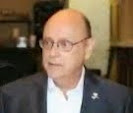


The Native American Rights Fund (NARF), along with Partners from the Native American Voting Rights Coalition, held its First in a Series of Field Hearings to Document the Voter Suppression efforts already underway in Native Communities across the Country
Voting Rights Hearing, North Dakota (09/05/2017) - This Hearing, which included Testimony from Tribal Members, Elected Officials, and Community Advocates, Documented persistent Suppression of the Native Vote in the Midwestern Region encompassing North Dakota, South Dakota, Wyoming, and Montana. In follow-up to the Hearing, until October 6th, Midwestern Native Voters and Advocates are Invited to Submit Testimony about their Experiences Voting in Local, State, and Federal Elections. Email Experiences to vote@narf.org.
Testimony from the Hearing Identified a Number of Barriers to Equal Voting Rights, for example, Unreasonably Long Distances to Polls and Inability to Access Transportation keep Natives from Voting. Panelists also told of a Distrust of State, County, and Local Officials as well as Open Hostility from Poll Workers. Additionally, uncertainty about Voter Eligibility due to recent Law Changes has chilled Native Voting due to Fear of being turned away at the Polls.
As Jacqueline De León, Voting Rights Fellow for the Native American Rights Fund explains, “Tribal members should not have to expend precious resources getting to distant polls all the while doubting whether or not they will be allowed to vote. I was shocked by the wide range of arbitrary and unreasonable requirements that make Native Americans feel unwelcome or keep them from voting altogether. This is true voter suppression.”
In addition to Systemic Obstacles, Testimony detailed more Specific Examples like:
- Dismal Conditions at Reservation Voting Polling Locations, one of which included a dirt floor Chicken Coop that did not have Restrooms.
- Restrictions on the Number of Voter Registrations that one can Submit to the County Clerk’s Office, requiring Repeated Trips to the Office.
- County Employees chastising Organizers Submitting Voter Registrations for being a “Nuisance” and “Making More Work” for the County Office by Submitting Native American Registrations.
- Notifications sent to Reservation Residents that Incorrectly informed them they are No Longer Residing in the District where they had Registered and Failing to Identify the Correct District.
- Being Turned Away at the Polls because a Tribal Identification Card did not include a Street Address.
- Poll Workers who fell Silent whenever a Native American entered the Polling Location.
Discussing the President's Voter Fraud Commission, “These are the real problems in American elections,” said NARF Staff Attorney Natalie Landreth, “but instead the sham commission is focusing on non-existent voter fraud. It’s like setting up a commission to hunt for unicorns, totally pointless.”
NARF Plans a Series of Hearings all across Indian Country to Highlight these Problems and find Solutions.
If you have Experienced Challenges or Barriers to Voting, or Experienced Native Voter Intimidation or other Suppressive Tactics, but cannot make it to one of NARF’s Hearings, please email your Experiences to vote@narf.org, and they will include them in their Growing Record.
NYC Wins When Everyone Can Vote! Michael H. Drucker