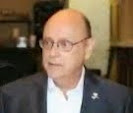


Trump (R) has yet to formally Nominate Kevin Warsh (R), to Succeed Jerome Powell (R) as Head of the Federal Reserve, a Delay that, while Not Unprecedented, is also Not Typical and Adds to Uncertainty in a Process Clouded by Concerns about Political Pressure on the U.S. Central Bank.
Trump named Warsh, a former Fed Governor, as His Nominee Four Weeks ago. Since 2010 only Two Nominees for the Fed Chief Job and other Seats on the Central Bank's Board of Governors, have Experienced a Gap Longer than Four Weeks. between the White House Announcement and the Filing of Paperwork to the Senate, that Kicks-Off the Official Confirmation Process.
The Reason for the Extended Wait in Warsh's Case is Unclear, though Senator Thom Tillis (R-NC) has Promised to Block any Fed Nomination, as long as a Department of Justice (DOJ) Investigation into Powell, regarding His Testimony to Congress about Central Bank Building Renovations in Washington remains Open.
Tillis says the Probe is Frivolous and a Form of Intimidation by the Trump Administration, which has made No Secret of its Frustration with Powell for Not Cutting Interest Rates as Quickly or Deeply as it would like.
"It does strike me as odd that there's been no forward movement on the Warsh nomination," said Derek Tang, an Analyst with Forecasting Firm LH Meyer. "The White House seems no closer to overcoming the Tillis block: that the senator won't let any nominee for the Fed get past the Senate Banking Committee unless and until the Powell probe goes away."
"The White House continues to work with the Senate to swiftly confirm Kevin Warsh as our next Federal Reserve chairman," White House Spokesman Kush Desai (R) said, adding that Warsh is "eminently qualified to restore competence and confidence in Fed decision-making."
The Fed's Insulation from Short-Term Political Considerations and the Ability to set Interest Rates without Regard to the Preferences of a given President is widely considered Essential to its Cability to Keep Inflation under Control and Steer the Economy to a Healthy Footing.
Treasury Secretary Scott Bessent (R) has said the Republican-Controlled Senate Banking Committee, has Agreed to move Forward with a Confirmation Hearing, once Warsh is Formally Nominated. The Panel's Republican Members, including Tillis, have said they see Warsh as well Qualified and a Good Pick for the Job.
But without Tillis' Vote to Advance Warsh's Nomination, to Consideration by the Full Senate, the Committee's slim Republican Majority does Not have the Power to Override Unified Democratic Opposition.
Powell Disclosed the DOJ's Probe in 1/2026, describing it as Part of the Trump Administration's "threats and ongoing pressure" on the Fed to Cut Rates. The U.S. Central Bank Cut Rates in its Last Three Meetings of 2025, but Trump has Demanded an ever Bigger Reduction in Borrowing Costs.
The Fed has asked a Judge to Quash the Government's subpoenas in the Probe, the Wall Street Journal Reported on Thursday. The Fed Declined to Comment on the Report. The Probe is Not the Only Hurdle to Trump's Long-Held Goal of Installing a Rate-Cut-Friendly Fed Chief in Place of Powell.
The 11 weeks until the End of Powell's Term on 5/15/2026 is less time than it took for most of the Fed's Current Governors to go from their Nominations to Senate Confirmation. The Timing is by No means overly Tight, as the Senate showed last Fall, when it moved to Confirm then Trump Economic Adviser Stephen Miran (R) as a Fed Governor, less than Two weeks after the Trump Nominated Him.
But a lLng Delay on the Warsh Confirmation would leave the Nominee, and the Central Bank, in Uncomfortable Limbo as the Clock Ticks toward the Central Bank's June 16th-17th Meeting, the Earliest expected Time for a Serious Debate on a possible Rate Cut.
Trump is expected to Nominate Warsh to Fill a Seat currently occupied by Miran, whose Tterm expired on 1/31/2026, but who may Remain in His Role until His Successor is Confirmed by the Senate. The Switch would Replace One Rate-Cut Advocate with another, leaving Trump Appointees One Seat Short of a Majority on the Seven-Member Fed Board.
The President has made an Unprecedented Effort to Fire Fed Governor Lisa Cook, for what He says were Misrepresentations on Her Mortgage Applications. Cook, who was Appointed by Biden (D), Denies Wrongdoing, and is Fighting Her Removal in a Case that is before the Supreme Court. Powell Attended Oral Arguments in 1/2026, calling it "the most important legal case in the Fed's 113-year history" because of its Implications for the Central Bank's Independence.
Powell could, if He Chooses, stay Oon as a Fed Governor until 1/31/20287. He has Declined to say if He will Leave the Board when His Term as Head of the Central Bank Ends, as nearly All His Predecessors have done. Bucking that Precedent would be an Extraordinary move that would Signal Powell's Abiding concern about the Fed's Ability to continue to Operate Independently from the Administration.
Reasons for such concern, Range from the fact that Trump made Support for Rate Cuts an Explicit Condition for Anyone He Nominated to Replace Powell, and the Unprecedented means by which the Trump's Administration has sought to Pressure Central Bank Leaders, including through the DOJ Probe. But Staying-On would almost certainly Draw Criticism from the Trump Administration and Others as a Partisan Bid to Thwart the President's Prerogative to Name a New Fed Governor.
Even if Powell did Remain as a Governor, there's Little doubt that the Central Bank's Federal Open Market Committee, would Stick with Institutional Norms and Elect Warsh to Lead the Policy-Setting Panel.
But it would leave Warsh, who already Faces the Daunting Task of Convincing a Divided Committee to Support the Rate Cuts He says He wants, contending with the Complications of Sharing the Policy Making Table with the Person who used to have His Job.

NYC Wins When Everyone Can Vote! Michael H. Drucker


No comments:
Post a Comment