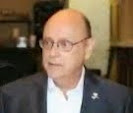


Silicon Valley entrepreneur Jim Heerwagen decided to invest in an effort to reduce the influence of big money on politics. He considered a push for a Constitutional amendment to overturn the Supreme Court’s Citizens United decision. But realized he could be dead or not remember where his car keys were by the time that happened.
So after commissioning a poll and hiring political strategists, the former software executive and his team of election law experts are rolling out an unusual measure they hope to get on the ballot in November 2016.
The "Voter’s Right to Know Act", the proposed amendment, would enshrine in the State Constitution the right to campaign finance disclosure, making California the first state to put it on par with the rights to speech and privacy, among other fundamental guarantees. The measure also would require political ads to display their top “true donors” and overhaul the State Campaign Finance Disclosure database to make it easier to track special interests.
The measure, which was filed with the State Attorney General’s office Wednesday, comes as the power of wealthy donors in politics has emerged as a prevalent theme in the 2016 Presidential contest.
Gary Winuk, a former Chief Enforcement Officer for the State’s Fair Political Practices Commission helped draft the Act along with longtime election law expert Robert M. Stern, who helped write the State’s seminal 1974 Political Reform Act. Additional legal guidance came from the Campaign Legal Center, a Washington-based advocacy group founded by Republican election lawyer Trevor Potter.
California already has a robust set of disclosure rules. But Winuk said he discovered that even they were not sufficient when he led an FPPC investigation of nonprofit groups that hide the identities of donors who pumped $15 million into ballot-initiative campaigns in 2012. “The money stopped at a nonprofit,” Winuk said. “It never got back to the true donors.” A wide array of advocacy groups across the political spectrum rely on donors who do not want their identities revealed, so the proposed measure probably would trigger a costly political fight.
Supporters of the measure must collect nearly 600,000 signatures in 180 days to get on the ballot. Heerwagen, a political independent who declined to say how much money he has put into the effort, said he expects others in Silicon Valley to contribute to it.

NYC Wins When Everyone Can Vote! Michael H. Drucker


No comments:
Post a Comment