

____________________________________________________
The NYC Charter Revision Commission could permanently alter the structure of New York City government announced Monday which specific areas it might propose changing.
The city's Charter Revision Commission is ramping up its work, and is moving ahead with plans to hold a series of expert forums beginning later this month. These will pave the way for voters to decide as early as this fall on lasting changes to the structure of city government – and the way power is doled out.
The forums will focus on term limits, possibly eliminating political primaries, the land use process, and the structure of city government, which would include the role of the City Council, borough presidents, and the public advocate.
There's been some debate about whether the commission should put any proposed changes before voters this fall in a referendum. Some have argued that the commission should slow down and devote more time to proposing changes to the City Charter, which is essentially the city's constitution.
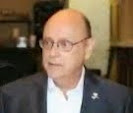
City University Chancellor Matthew Goldstein, who is chairman of the charter commission, made the case today for putting charter questions on the ballot this November.
“I've always said that I thought this year was a much better opportunity because there will be more active participation because we are going to have statewide elections,” he said. “That if I wanted to bring something or we wanted to bring something it made a lot of sense not to miss that opportunity.”
Supporters of doing away with party primaries are also gearing up for a fight. In 2003, city voters rejected a proposal for non-partisan elections, but one advocate says the issue stands a better chance now.
 New York City local news channel NY1 turned to Harry Kresky, one of the nation's leading election attorneys, for commentary on nonpartisan elections when the Charter Revision Commission announced nonpartisan elections would be an area of focus for the next set of public hearings. The Commission was presented with strong and persuasive testimony from a diverse range of indies in the first round. "Americans across the country are very concerned about the hyperpartisanship in Washington and Albany and New York City. We don't think it's the same climate at all," said Harry Kresky of the New York City Independence Party.
The forums come on the heels of a series of public hearings the commission held in all five boroughs to solicit input from New Yorkers about their ideas for amending the City Charter. New Yorkers will have the opportunity to weigh in during these expert panels as well.
Use these links to find out more about Open Primaries and Non Partisan Elections.
Michael H. Drucker
 Technorati Tag in Del.icio.us


No comments:
Post a Comment